
 admin
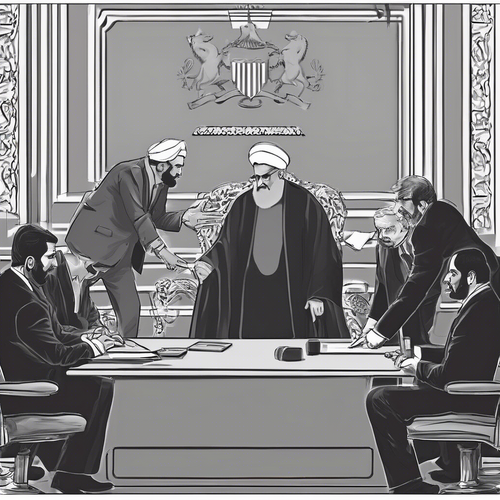
Racing Toward a Bomb? Contrasting Views on Iran’s Nuclear Aspirations
When it comes to Iran’s nuclear ambitions, conflicting narratives emerge. Israel warns that Tehran is “racing toward a bomb,” while the United States insists Iran remains years away from developing a nuclear weapon. This divergence captures not only the precarious nature of international relations but also the underlying tensions in a region already fraught with conflict. 🇮🇱🇺🇸
Shifting Perspectives: Israel’s Alarm Bells
In recent assessments, Israeli officials have voiced growing concern over Iran’s fast-paced advancements in uranium enrichment and ballistic missile technology. Israel’s intelligence community suggests that Iran’s capabilities are closer than ever to achieving the bomb. The urgency in these claims reflects Israel’s historical stance to prevent nuclear proliferation in a region where it views itself as vulnerable.
“The clock is ticking,” warned Israeli Defense Minister Yoav Gallant, as he described an Iran armed with nuclear capabilities as an existential threat to Israel. This alarming rhetoric is supported by satellite imagery showing Iranian facilities expanding, coupled with improved centrifuge technology. Yet, as experts have pointed out, they often rely on intelligence that may be subjective and influenced by geopolitical aspirations. 🚀
The U.S. Position: A More Cautious Approach
In contrast, U.S. intelligence suggests a more measured assessment, positing that Iran is at least two years away from acquiring the necessary technology for a functional nuclear weapon. American officials emphasize the importance of diplomacy, particularly through renewed negotiations to revive the 2015 nuclear deal, which aimed to limit Iran’s nuclear program in exchange for sanction relief.
The Biden administration’s approach has been to balance pressure with dialogue. “Our intelligence confirms that diplomatic avenues remain viable,” stated a senior U.S. official. This cautious stance reflects not only a desire to mitigate tensions but also an acknowledgment of the importance of engaging Tehran on broader issues, including regional security and proliferation. 🕊️
Nuclear Capability vs. Intent: What is the Real Risk?
The core of the debate lies in the distinction between nuclear capability and actual intent. Iran’s advancements in nuclear technology raise legitimate questions around its ultimate goals. The fear is not just that Iran could develop a bomb, but that its intentions may shift towards using nuclear capability as a coercive tool in regional conflicts.
Key Figures in Iran’s Nuclear Program:
- Uranium Enrichment: Iran has stockpiled enriched uranium far beyond levels set by previous agreements.
- Ballistic Missiles: Military advancements in missile technology suggest a potential delivery system for nuclear payloads.
- International Isolation: Iran’s violations of the nuclear agreement have led to increased sanctions, further straining its economy and international relations.
“The issue isn’t just about enrichment levels; it’s about who’s making the decisions in Tehran and what political ambitions they harbor,” notes Dr. Emily Sinclair, a prominent analyst on Middle Eastern politics.
Regional Reactions: A Divided Middle East
The conflicting assessments surrounding Iran’s nuclear ambitions have not gone unnoticed by its neighbors. Countries in the Gulf, including Saudi Arabia and the UAE, have voiced alarm at the potential for a nuclear-armed Iran. Their concerns have prompted discussions around bolstering their own military capabilities, a move that may exacerbate tensions further. 🤔
Moreover, this split has also influenced global alliances. Nations traditionally aligned with the U.S. face the dilemma of balancing their interests with the new geopolitical landscape created by an assertive Iran. This dynamic has made the Middle East a chessboard where every minor move has significant implications.
Implications for International Diplomacy
The conflicting narratives expose a growing rift in international diplomacy regarding Iran. As negotiations stall, trust erodes, and the window for a peaceful resolution narrows. The return to diplomacy is not just a matter of technical discussions but also an intricate balance of regional security dynamics. Countries must navigate their fears and aspirations with a recognition that miscommunication could have dire consequences. 🔄
Conclusion: Navigating a Fragile Future
The future of Iran’s nuclear program hangs in a delicate balance, enmeshed in a web of tensions and geopolitical strategies. With Israel’s alarmist rhetoric clashing against the U.S.’s measured outlook, clarity remains elusive. As the world continues to watch closely, the stakes couldn’t be higher for diplomacy in an increasingly volatile region. The question isn’t just how close Iran is to a bomb—it’s whether a concerted and unified international effort can steer the region away from conflict.





I think Irans nuclear intentions are still unclear. Its like trying to solve a puzzle without all the pieces. Time will tell.
I think Irans nuclear intentions are still unclear. What do you all think? Are we heading towards a dangerous situation? #nuclearstandoff
I think Irans nuclear intentions are unclear. Are they really racing toward a bomb or just playing it safe? Lets discuss!
Do you think Iran is really racing towards a nuclear bomb or is it all just a misunderstanding? Im torn!
Do you think Irans nuclear intentions are a genuine threat or just political posturing? Lets discuss the real risks here!