
 admin
admin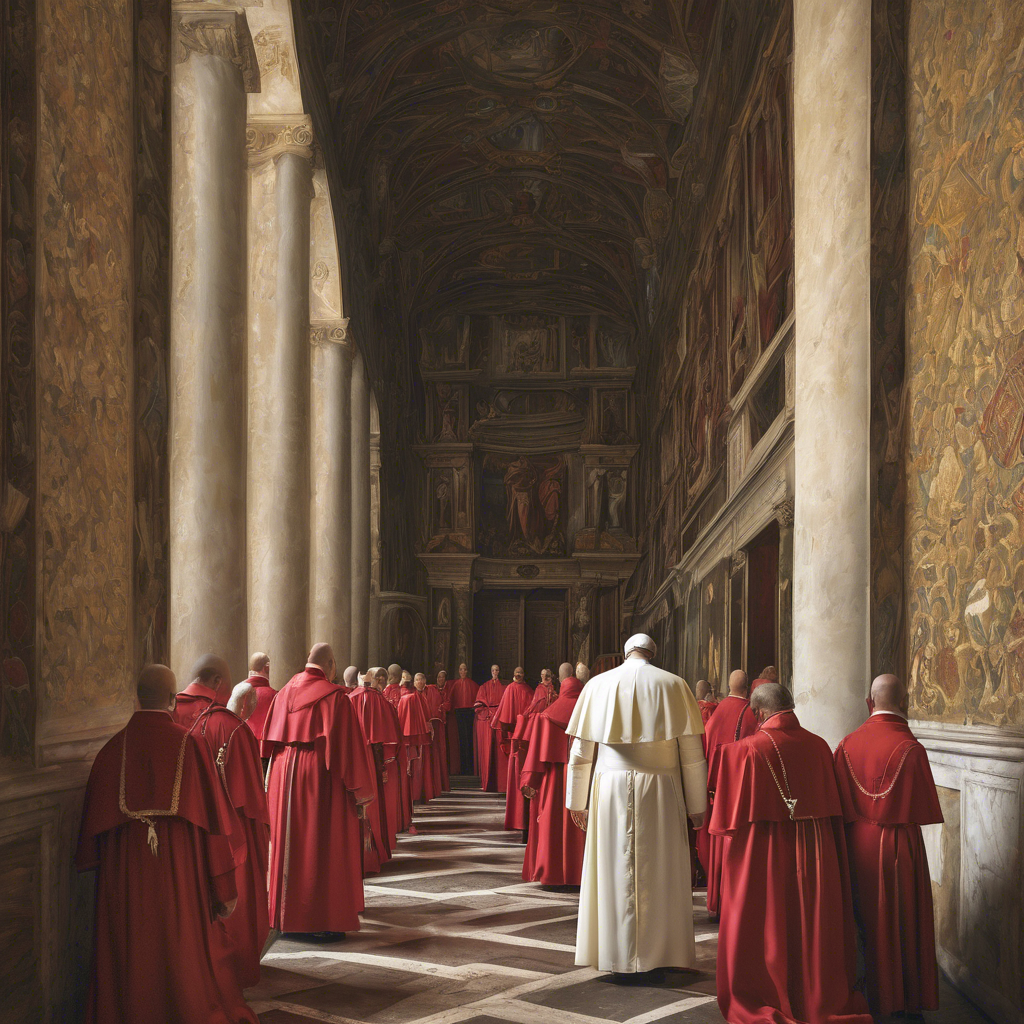
A Sacred Gathering: Unraveling the Mystique of Papal Conclaves
In the hushed halls of the Vatican, a ritual unfolds that has captivated the world for centuries. The papal conclave, a clandestine assembly of the College of Cardinals, not only signifies the profound responsibilities of church leadership but is also steeped in history, intrigue, and the weight of divine expectation. As the white smoke billows from the Sistine Chapel, signaling the election of a new pope, millions hold their breath, aware that the new pontiff will guide the Roman Catholic Church’s 1.3 billion faithful. 🕊️
The Historical Tapestry of Papal Elections
The practice of electing a pope through a conclave dates back to the 13th century, following centuries of tumultuous power struggles and influence from secular rulers. Initially, the election process was chaotic and often marred by political maneuvering, leading to the establishment of the conclave as a way to ensure a more orderly selection process. In 1274, Pope Gregory X instituted the first formal rules for conclaves, which mandated that cardinals be locked within a designated space until a new pope was chosen. Today, the conclave’s modern rules, last updated in 1996, reflect a blend of tradition and necessity, balancing the need for prayerful deliberation with urgency in leadership succession.
The Dynamics of the College of Cardinals
The College of Cardinals serves as the electoral body during these conclaves, currently numbering 132 qualified voters from various countries, with a striking diversity that reflects the global nature of the church. Each cardinal brings his insights, alliances, and agendas into the fray. Past conclaves have shown how the interplay of national, theological, and political affiliations can influence outcomes, often leading to unexpected surprises.
“The conclave is not just an election; it’s an intricate dance of faith and power, where the future of an entire institution hangs in the balance,” reflects Dr. Isabella Mendez, a historian specializing in ecclesiastical studies.
Conclave Rituals: A Sacred Process
As the conclave commences, cardinals engage in prayers, daily masses, and discussions about the challenges facing the church. The chapel serves as both a sacred space for reflection and the stage for a complex voting process that follows a strict protocol:
- Secrecy Obligation: All cardinals take an oath of secrecy, ensuring that discussions and deliberations remain confidential. Breaching this oath leads to severe consequences.
- Voting Process: Initially, there are two types of ballots – one to identify candidates and the other for formal voting. A two-thirds majority is required for election, and if no consensus is reached after several days, votes may be adjusted to prefer certain candidates.
- The Sign of Election: When a pope is elected, they don white vestments, symbolizing purity, and is taken to the balcony to greet the world as the new leader. 👑
The Modern Context: Challenges and Changes
The contemporary church faces numerous challenges, from declining attendance in Western nations to rising secularism and urgent issues like climate change, human rights, and global health crises. This evolving landscape may influence the preferences of cardinals during conclaves, shaping their decisions based on who is viewed as the best fit to advocate for the church’s relevance in the 21st century.
Anticipating the Next Conclave
As speculation about papal successors persists, the global Catholic community remains attentive to the health of the current pope and the implications of each election. The next conclave promises to be not only a pivotal moment for the church but also a reflection of broader societal changes. Whatever the future holds, the traditions of the conclave remind us of the power of collective faith and the historical weight of choosing a leader for millions of believers. 🙏
In this sacred gathering, the convergence of spirituality, history, and human dynamics reveals that the act of selecting a pope is not just an ecclesiastical duty, but a remarkable ceremony laden with hope, aspiration, and the enduring quest for divine guidance.

Who knew choosing a pope was so intricate? The secrecy, rituals, and history behind papal conclaves are mind-blowing! Whats your take on this sacred process?
Is it just me or does the secrecy surrounding papal conclaves add an air of mystery thats strangely intriguing? 🤔 #PapalConclaveMystique
Interesting read, but do you think the secrecy of papal conclaves is necessary in todays transparent world? #foodforthought 🤔🔍
Did you know about the intense lobbying that happens behind the scenes during Papal conclaves? Intriguing stuff!