
 admin
admin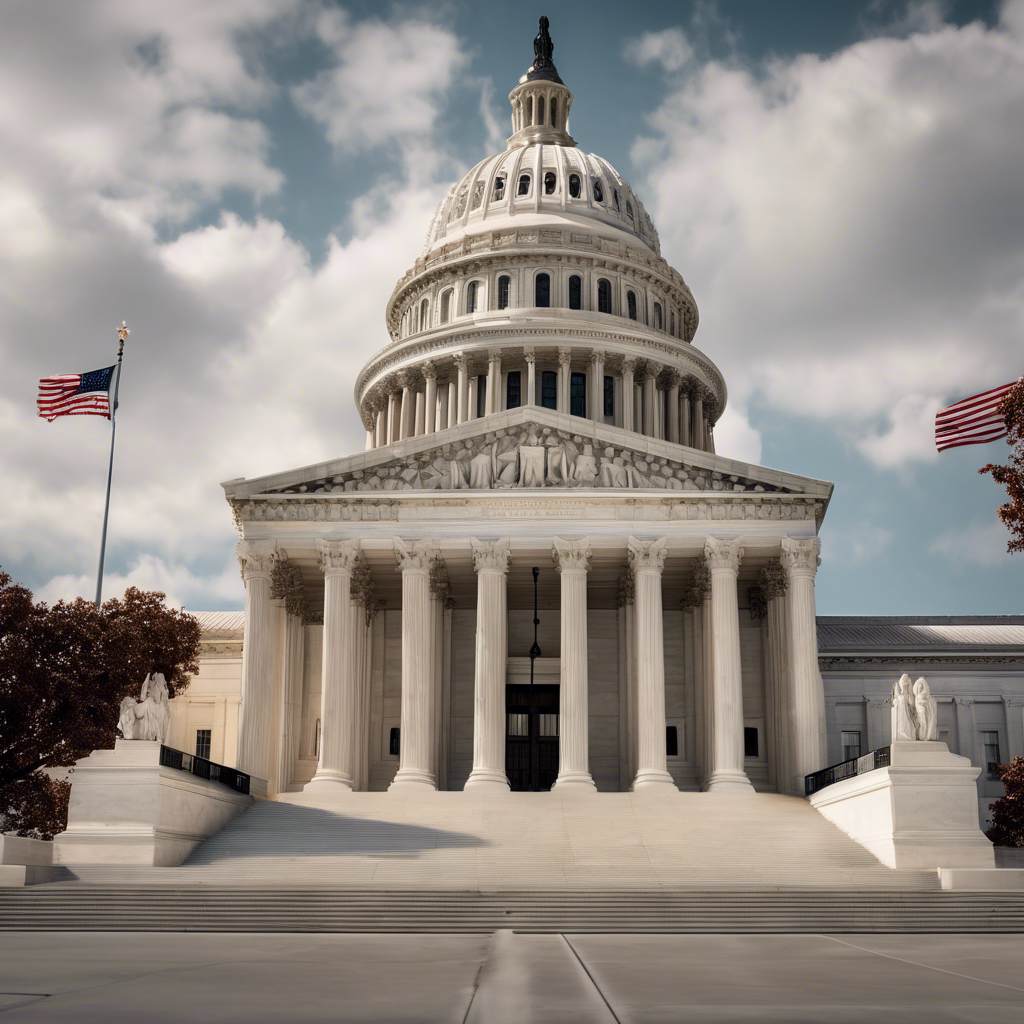
Supreme Court Signals Potential Shift on State Funding for Religious Schools
A looming Supreme Court decision could dramatically reshape the landscape of American education, potentially opening the floodgates for state funding of religious charter schools. The Court’s conservative majority appears poised to further dismantle the wall separating church and state in education, raising concerns about religious freedom, equity, and the future of public schools. 🏫
Recent arguments in cases involving religious schools and state funding suggest a willingness among the justices to expand the scope of government support for religious education. Building upon previous decisions like Trinity Lutheran Church v. Comer (2017) and Espinoza v. Montana Department of Revenue (2020), which allowed religious institutions to access public funds for certain secular purposes, the Court now seems prepared to tackle the more contentious issue of direct funding for religious instruction. 🏛️
The potential implications are vast. If the Court sanctions state funding for religious charter schools, it could divert significant resources from already strained public school systems. Critics argue that such a move would violate the Establishment Clause of the First Amendment, which prohibits government endorsement of religion. They also raise concerns about discrimination, as religious schools may not adhere to the same admissions and curriculum standards as public schools, potentially excluding students based on religious beliefs or other protected characteristics. Furthermore, questions remain about how states would regulate religious charter schools to ensure accountability and compliance with educational standards. 🤔
Proponents of state funding for religious schools argue that parents should have the freedom to choose the type of education they want for their children, including religious education, without financial penalty. They point to existing school choice programs, such as vouchers and tax credits, as evidence that public funding can be directed towards private schools without violating the Constitution. They maintain that excluding religious schools from these programs constitutes discrimination against religious families. 👨👩👧👦
Data from states with existing school choice programs offer mixed results on their effectiveness and impact on public education. Some studies suggest that voucher programs can lead to improved student outcomes, particularly for low-income students, while others find no significant difference or even negative effects on public school performance. The impact of state funding for religious charter schools specifically remains largely unstudied due to its relative novelty. 📊
The Supreme Court’s decision, expected later this year, will have far-reaching consequences for the future of education in the United States. It could redefine the relationship between church and state, impacting not only how schools are funded but also how religious freedom is interpreted and protected. The ruling is sure to generate further debate and legal challenges, shaping education policy for years to come. ⚖️





Interesting shift in Supreme Courts stance on funding for religious schools. Will this impact separation of church and state? Curious to see the outcome.
Im not sure how I feel about the Supreme Court potentially changing how religious schools are funded. What do you all think?
Wow, did you read about the potential shift in state funding for religious schools? Do you think its fair or could it lead to controversy?