
 admin
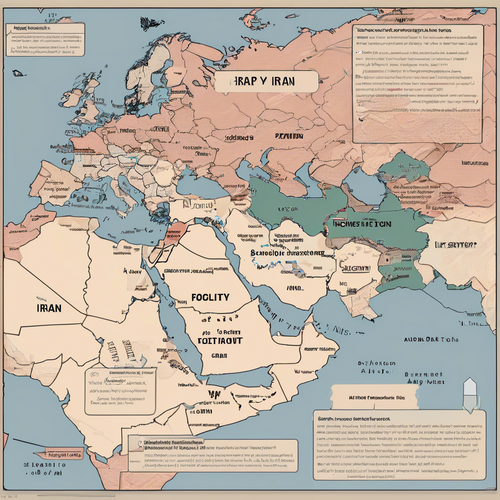
MAGA’s Fork in the Road: Iran Strikes and the Divide Among Trump Voters
In defense of their “America First” platform, many Trump supporters have repeatedly expressed a desire to retreat from foreign engagements. Yet, recent military strikes in Iran have laid bare a rift within Trump’s MAGA movement, raising critical questions about foreign policy and military intervention. As the dust settles on the latest developments, one voice stands out—Representative Marjorie Taylor Greene, who insists that Trump’s base wants to see an end to foreign wars. This assertion underscores a deepening ideological division that could shift the future landscape of American politics. 🇺🇸
Trump’s Call for Non-Intervention: The Voter Perspective
Since the life-altering decisions of the Iraq and Afghanistan wars, a significant portion of Trump’s voter base has rallied around a more restrained approach to international conflict. Greene echoed this sentiment in a recent interview, highlighting that many voters are disillusioned by extended military interventions. According to a Pew Research Center survey, around 75% of Republicans surveyed felt the United States should prioritize its own interests over international alliances and conflicts. This paradigm shift in Republican philosophy reflects a broader skepticism towards interventionist policies that characterized previous administrations.
“The foreign entanglements of the past have cost us dearly and have little to show for it. Our people want peace, not endless conflict,” Greene asserted. “They want an America that focuses on home, not foreign battlefields.” 🌍
The Iran Strikes: A Polarizing Effect
Amidst escalating tensions, the recent airstrikes on Iranian positions have ignited fierce debate within MAGA circles. For some staunch supporters, the strikes resonate as necessary actions to protect American interests. However, a growing faction within the community believes that such actions contradict the core ideals of “America First” by perpetuating cycles of foreign entanglement. The divided response to these strikes mirrors a larger ideological struggle regarding the United States’ role on the global stage. ⚔️
In a recent statement, Greene’s comments sparked conversations among her peers, some of whom argue that continued military action is essential to maintaining U.S. dominance and global security. Conversely, others, like former Vice President Mike Pence, have openly supported a more aggressive stance, emphasizing the need to approach Iran with caution. The divergence among Trump’s supporters indicates that the future of GOP foreign policy may rest on a precarious balance of these contrasting philosophies.
Data and Trends: MAGA’s Foreign Policy Stance
The ideological schism within the MAGA base is not just anecdotal; it is reflected in polling data. Surveys conducted after the Iran strikes indicated 62% of likely Trump voters preferred a decreased military presence abroad. This represents a notable sway from traditional Republican beliefs that focused on aggressive military postures. As younger voters increasingly embrace this non-interventionist perspective, the calls for a redefined Republican stance on foreign policy are growing louder.
Meanwhile, grassroots organizations advocating for anti-intervention policies have begun to gain traction. Notably, the “Non-Interventionist Coalition” has seen exponential growth in membership, urging conservative leaders to adhere to their constituents’ push for peace. Political analysts are keenly observing how these trends could reformulate power dynamics as primaries approach. 📊
MAGA and the Broader Political Landscape
As the GOP prepares for future elections, the nuances of MAGA’s foreign policy stance will be pivotal. With many Trump voters advocating for a stark shift away from international military engagements, party leaders face the challenge of reconciling these views within their broader platform. Greene’s assertive stance may reflect only the beginning of a significant transformation in Republican ideology known for historically favoring strong military action.
The implications of this ideological rift have profound consequences not only for the GOP but for American foreign policy as a whole. As we consider a growing cohort of voters more adamant than ever about their preferences for disengagement, will politicians listen, or will they cling to the vestiges of a bygone era of military engagement? 🤔
The Path Forward: Bridging the Divide
To navigate this complicated landscape, Republican leaders must assess the evolving sentiments of their base. Engaging in constructive conversations that embrace this new ethos could reinforce party unity and enable a cohesive response to foreign policy issues moving forward. The challenge will be to blend historical beliefs with contemporary expectations, steering Trump’s vision towards a more peaceful American brand on the global stage.
Conclusion: The Future of MAGA and Foreign Policy
As TRUMPism continues to reshape the Republican Party, the emerging divisions regarding foreign policy present unique challenges. With voices like Marjorie Taylor Greene advocating for non-intervention, the MAGA base could very well steer the country towards a new chapter in American diplomacy—one that prioritizes domestic security and prosperity over foreign conflicts. The outcome of this internal debate will undoubtedly influence not just elections but also the very fabric of American identity as a global power.





I think its interesting how Trumps stance on Iran strikes is dividing MAGA supporters. Whats your take on this dilemma?
I think MAGAs stance on Iran strikes is causing some serious divides among Trump supporters. Whats next for their foreign policy?
MAGAs foreign policy is a mess. Dont hold your breath for coherence.
I find it interesting how Trumps stance on Iran strikes is causing such a divide among MAGA supporters. What are your thoughts on this?