
 admin
admin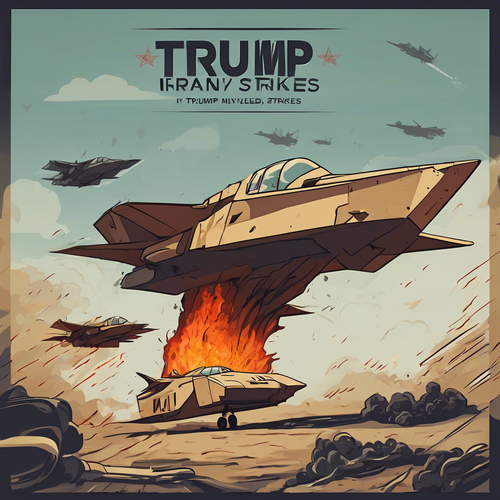
Quiet Decisions, Loud Impacts: Trump’s Historic Strikes in Iran
In the realm of international politics, few decisions carry the weight of a military strike, particularly when it concerns a nation like Iran, long cited as a provocateur in Middle Eastern geopolitics. When former President Donald Trump authorized drone strikes against Iranian targets in early January 2020, it sent shockwaves from Washington to Tehran and beyond, shifting the geopolitical landscape overnight. But what drove this audacious yet clandestine decision, and what ramifications followed? 🌍
The sequence of events leading to these strikes was anything but spontaneous. They were rooted in a complex tapestry of diplomacy, past grievances, and strategic calculations. In the backdrop loomed the unraveling of the Iran nuclear deal, an agreement Trump rejected in 2018, claiming it allowed Iran to develop nuclear weapons under a cloak of legitimacy.
The Prelude: Rising Tensions Between the U.S. and Iran
In the years leading up to the strikes, U.S.-Iran relations deteriorated sharply. Critical incidents, including the bombing of oil tankers in the Strait of Hormuz and Iran’s downing of an American drone, exacerbated tensions. According to the Congressional Research Service, heightened U.S. sanctions aimed at crippling Iran’s economy – targeting oil exports and banking systems – fueled animosity, culminating in retaliation from Iranian militias in Iraq, resulting in the death of an American contractor in late December 2019. This marked the escalation that paved the way for Trump’s decision.💼
The Strategic Calculus: A Decision Made in Secrecy
As the president weighed his options, he found himself at a crossroads. National security advisors, including Secretary of State Mike Pompeo and National Security Advisor Robert O’Brien, advised a strong military response to both deter further attacks and send a signal of U.S. resolve. Reports indicate that the administration debated various responses, from economic sanctions to retaliatory strikes, but settled on a military action targeting high-profile Iranian leaders.🎯
“This was about sending a message,” says Patrick Clawson, director of research at the Washington Institute for Near East Policy. “Striking Qassem Soleimani was not just punitive; it was a strategic calculation to weaken Iran’s influence throughout the region.”
January 2, 2020: The Moment of Decision
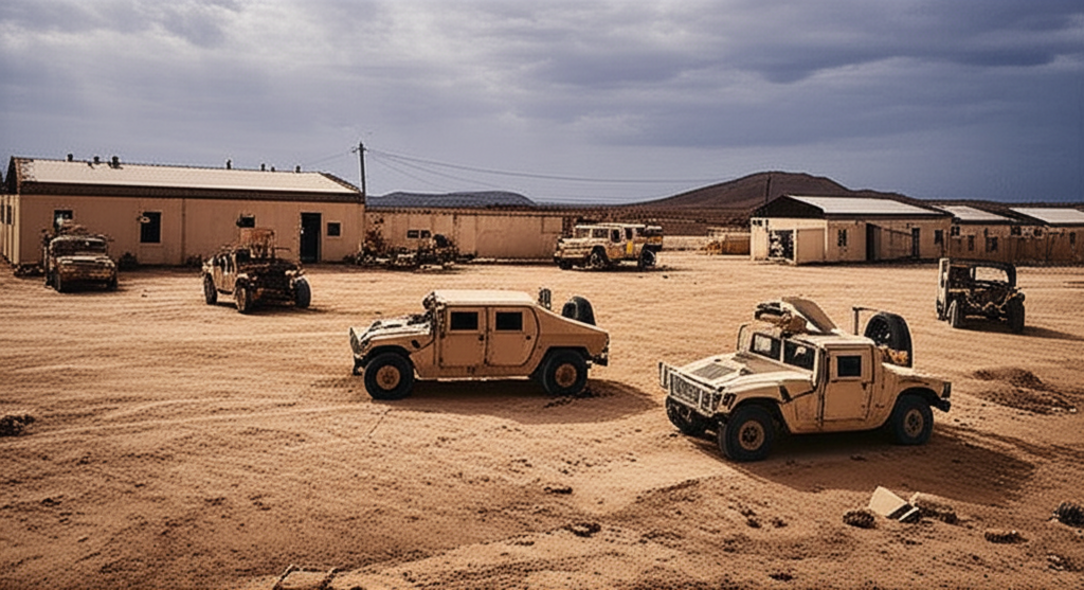
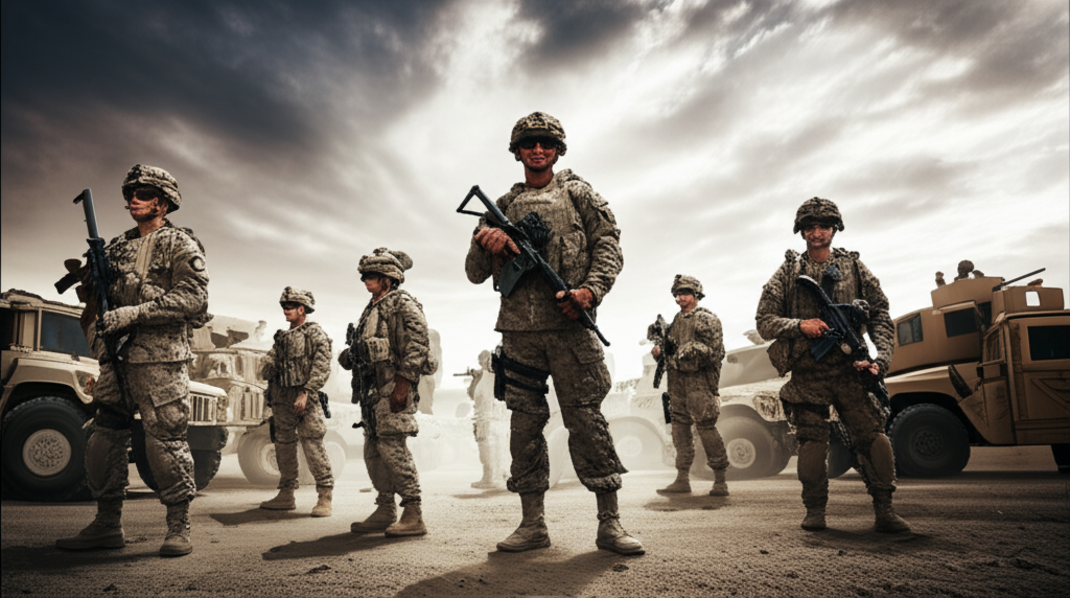
At 1:00 AM local time on January 3, Trump, alongside a select group of military and intelligence leaders, authorized the strike against Qassem Soleimani, the commander of Iran’s Quds Force, known for orchestrating proxy wars across the Middle East. A drone attack near Baghdad International Airport claimed Soleimani’s life, along with key members of the Iranian Revolutionary Guard, marking a pivotal moment in U.S.-Iran relations. This sudden escalation set off immediate reactions both domestically and from the international community.🛩️
The Aftermath: A Region on Edge
The strikes unleashed a torrent of responses. Iran vowed to retaliate, launching missiles at U.S. bases in Iraq just days later, resulting in injuries to American troops and topping the charts of headlines worldwide. The assassination also raised concerns about potential conflict escalation in the already tense Middle East, prompting debates in Congress and among allies about the legal and moral implications of the attack. ⚠️
Legal and Ethical Implications: The Ongoing Debate
Trump’s decision sparked a fervent debate on presidential war powers and executive overreach. Critics argued that the strike was unconstitutional without congressional approval, while supporters claimed it was warranted given the immediate threat posed by Soleimani. According to a survey conducted by the Pew Research Center, public opinion was divided, with many Americans wrestling with the complex layers of foreign policy, national security, and the moral implications of assassination as a tool of statecraft.
Conclusion: Ripples that Last
As history unfolds, the U.S. strikes in Iran remain emblematic of the fragile state of international diplomacy and military engagement. Whether seen as a necessary action to deter aggression or as a reckless gamble inciting further instability, Trump’s decision reverberates throughout U.S. foreign policy discussions and continues to shape the dynamics of U.S.-Iran relations. 🤔
Ultimately, the quiet decision that led to a monumental shift in the Middle East serves not just as a lesson in the delicate balance of power but also as a reminder of the consequences that accompany the pen—or in this case, the drone strike.


Hmm, do you think Trumps Iran strikes were a bold move or a risky gamble? Curious to hear everyones thoughts on this hot topic!
Wow, Trumps Iran strikes – bold move or reckless decision? Whats your take on this historic moment? Lets discuss!
Im not convinced Trumps military strikes in Iran were truly decisive. Seems more like a risky move with uncertain consequences.